



Introduction
If you are new to digital marketing or have been trying to improve your website’s search rankings, one of the first questions you might ask is what is a backlink in SEO. The concept is simple yet extremely powerful. A backlink is nothing more than a link from one website to another, but in the world of SEO, it carries tremendous weight. Search engines such as Google view backlinks as endorsements, like a vote of trust from one site to another. Each backlink suggests that the linked content is valuable, reliable, and worthy of attention.
Backlinks have been part of the internet since its early days, but their importance grew sharply after Google introduced its famous PageRank algorithm in the late 1990s. This system used links as a measure of a website’s authority, which made backlinks one of the foundational pillars of modern search engine optimization. Over the years, the algorithms have evolved, becoming more sophisticated in evaluating which backlinks truly add value and which are manipulative or spammy. Despite these changes, backlinks remain important for SEO and continue to be one of the strongest ranking factors in 2025.
In this comprehensive guide, you will learn exactly what a backlink is, why it matters for SEO, the different types of backlinks, how to identify high quality backlinks, strategies to build them, and common myths that often mislead website owners. You will also see where backlinks stand today and what role they are expected to play in the future of search engine optimization.
What Is a Backlink in SEO?
A backlink is simply a hyperlink that connects one website to another. When one website links to another, the receiving website earns a backlink. These links are also called inbound links, incoming links, or external links. Backlinks are different from the links you create within your own website, known as internal links, which connect one page of your site to another. They are also different from outbound links, which are links you place on your site pointing to an external resource.
To understand why backlinks are so powerful, imagine them as recommendations. If a highly respected website links to your page, it is similar to an expert in your industry recommending your work. Search engines interpret this as a signal that your content is trustworthy and should rank higher in search engine results pages, often referred to as SERPs. This is why backlinks are sometimes described as votes of confidence.
Consider two scenarios. If a small personal blog links to your site, that is a backlink, but its influence might be limited because the source lacks authority. However, if a news site like BBC or a government website provides a link to your article, the impact on your search engine visibility can be significant because such websites are trusted by both users and search engines.
Backlinks are also evaluated contextually. A backlink within the main content of a page carries more value than one hidden in a footer or sidebar. Likewise, the anchor text—the clickable words used in the link—helps search engines understand the relevance of the link. A backlink with descriptive anchor text like “best SEO tools” is more meaningful than a generic anchor such as “click here.”
To put this in perspective, here is a simple comparison of backlinks with other types of links:
| Type of Link | Where It Points | Impact on SEO |
|---|---|---|
| Backlink | From another site to your site | Strong ranking factor, improves authority |
| Internal Link | From one page of your site to another | Helps with site structure, navigation, and crawlability |
| Outbound Link | From your site to another site | Provides context and references, minor SEO benefit |
Why Are Backlinks Important for SEO?
Backlinks are important for SEO because they act as trust signals for search engines. Google and other search engines use complex algorithms to determine how web pages should be ranked, but backlinks remain one of the strongest indicators of a page’s authority. When multiple reputable websites link to a page, it signals that the content is reliable, helpful, and worth ranking higher in SERPs.
Backlinks also improve visibility. A page with high quality backlinks is more likely to appear on the first page of Google. This means more users see the link, resulting in increased organic traffic. Another benefit is referral traffic, as users clicking on backlinks from other websites are directed straight to your content, often resulting in highly engaged visitors.
Backlinks influence ranking factors in multiple ways. They strengthen domain authority, improve keyword rankings, and contribute to a better overall backlink profile. High-quality backlinks from relevant and authoritative sites often outweigh hundreds of low-value links. The difference between quality backlinks and spammy backlinks can be the difference between a website ranking on page one or disappearing from search results altogether.
Here is an illustrative chart showing the estimated importance of backlinks compared to other SEO factors:
As you can see, backlinks form a large portion of SEO ranking factors, often more than content or technical elements. While content remains essential, without backlinks it is difficult to compete in highly competitive industries.
A useful way to see their importance is through case studies. Websites with fewer than a hundred high-quality backlinks often outperform those with thousands of poor-quality ones. For example, a website that receives one backlink from a top authority site like Forbes or Wikipedia can see a massive increase in visibility compared to another site that builds hundreds of links from spam directories.
In other words, the importance of backlinks lies not in their number but in their quality, context, and relevance.
Types of Backlinks You Should Know
Not all backlinks are the same, and understanding their types is essential for building a strong SEO strategy.
| Type of Backlink | SEO Value | Description |
|---|---|---|
| Follow Backlinks | High | These pass SEO value, also known as link equity, directly to your site. They are the backbone of SEO. |
| Nofollow Links | Low/Medium | These links have a rel=”nofollow” tag, which instructs search engines not to pass authority. However, they still bring traffic and can contribute indirectly to visibility. |
| Sponsored Backlinks | Conditional | When a link is paid for, it must be tagged as sponsored. Failure to do so can lead to penalties. |
| High-Authority Backlinks | Very High | Links from authoritative domains such as .gov, .edu, or trusted publishers have strong influence. |
| Broken Backlinks | Variable | These are links that once pointed to your site but now lead to errors. Reclaiming them can recover lost SEO value. |
| Toxic Backlinks | Negative | These come from spammy or irrelevant sites. Too many of them can harm your rankings. |
Backlinks can also be categorized as editorial links, which are earned naturally when someone cites your work, or self-created links, which you place in forums, comments, or directories. Editorial backlinks are the most valuable, while self-created ones must be used carefully to avoid spammy patterns.
What Makes a Quality Backlink?
The phrase quality backlinks is repeated often in SEO because search engines reward quality over quantity. A quality backlink usually comes from a high-authority website that is relevant to your niche. If you run a health blog and a respected medical journal links to your article, that backlink is powerful. However, if the same article gets linked by an unrelated low-quality site about gaming, the value is minimal.
Quality backlinks also depend on placement. A link embedded naturally within the main content of an article is far more valuable than one hidden in a footer. Search engines understand context, so they prioritize links surrounded by relevant information. Anchor text is another key factor. Descriptive anchor text that contains relevant keywords tells both the user and the search engine what the linked page is about. Over-optimized anchor text, however, can appear manipulative and may lead to penalties.
The following table shows how quality differs from low-quality backlinks:
| High-Quality Backlink | Low-Quality Backlink |
|---|---|
| Relevant to your niche | Irrelevant site |
| From high-authority website | From spammy directory |
| Natural anchor text | Over-optimized or generic anchor |
| Placed in main content | Hidden in footer or sidebar |
| Earned through quality content | Paid or manipulated |
Ultimately, a quality backlink is one that improves your SEO value, builds authority, and drives real users to your website.
Backlink Building Strategies That Work in 2025
Backlink building is the process of acquiring links from other websites to your own. In 2025, strategies have shifted toward sustainable, ethical approaches that prioritize long-term SEO gains.
One of the most popular strategies is guest posting. By writing articles for reputable websites in your industry, you not only showcase expertise but also earn backlinks. A guest post on a respected site with strong domain authority can deliver lasting benefits. However, it is important to choose relevant sites and avoid low-quality guest posting opportunities, which may be considered spam.
Another strategy is broken link building. This involves finding broken links on websites in your niche and suggesting your own content as a replacement. Tools like Ahrefs and SEMrush make it easy to identify broken links, and a polite outreach email often results in a new backlink.
Creating quality content remains one of the best ways to earn backlinks naturally. Articles, research reports, infographics, and videos that provide unique value are more likely to attract editorial backlinks from others in your field. Content that answers common questions or provides in-depth guides tends to perform especially well.
Digital PR and outreach have become increasingly popular. By building relationships with journalists, bloggers, and influencers, you increase the chances of your content being featured in media stories and industry publications. These mentions often come with high-quality backlinks that boost both visibility and credibility.
Competitor backlink analysis is another effective tactic. By using SEO tools to study the backlink profiles of your competitors, you can identify where they are earning links and replicate those opportunities. For example, if your competitor is featured in a directory or resource page, you can request a similar listing.
It is equally important to avoid link schemes. Paid link networks, link exchanges, and private blog networks (PBNs) can lead to penalties that damage your site’s rankings. Google’s algorithms are sophisticated enough to detect unnatural link patterns, so the safest approach is always to build backlinks through value-driven strategies.
Backlink Analysis and SEO Tools
Analyzing backlinks is just as important as building them. A strong backlink profile can propel your site to the top of search results, while a weak or toxic profile can hold you back.
Tools like Ahrefs, SEMrush, and Moz allow you to see where your backlinks are coming from, evaluate their quality, and compare them to competitors. Google Search Console provides free insights into which websites are linking to your site. Majestic is another tool that focuses specifically on backlink metrics such as Trust Flow and Citation Flow.
Categorization of Backlink & SEO Tools
| Tool | Primary Strength | Best Use Case | Unique Features |
|---|---|---|---|
| Ahrefs | Backlink Analysis & Competitor Research | Ideal for analyzing backlink profiles, tracking referring domains, and uncovering competitors’ link-building strategies | Huge backlink index, Site Explorer, Link Intersect |
| SEMrush | All-in-One SEO Suite | Great for users who want a complete SEO solution including backlinks, keyword research, site audits, and content optimization | Backlink audit, keyword gap, traffic analytics, content tools |
| Moz | Authority Metrics & Simplicity | Best for beginners or those who need clear backlink authority scores without steep learning curves | Domain Authority (DA), Page Authority (PA), easy-to-use link explorer |
Regular backlink analysis helps you identify toxic backlinks, which are links from spammy or irrelevant sites that may hurt your SEO. In such cases, the Google Disavow Tool allows you to inform search engines to ignore these harmful links. Tracking anchor text distribution is also essential to ensure your backlinks appear natural and not manipulated.
Key metrics to track include the number of backlinks, the number of referring domains, domain rating or authority, and the diversity of anchor text. Together, these metrics provide a clear picture of your backlink strength.
Common Backlink Myths & Misconceptions
Backlinks are surrounded by myths that often confuse beginners. One common myth is that more backlinks always equal better rankings. In reality, quality outweighs quantity. A few backlinks from trusted, relevant websites will outperform thousands of low-quality links.
Another misconception is that nofollow backlinks are useless. While nofollow links may not pass as much SEO value, they can still bring referral traffic, increase brand visibility, and diversify your backlink profile. In fact, Google has updated its policies to consider nofollow as hints rather than strict rules, which means they can still have indirect benefits.
Many believe that buying backlinks is the fastest way to grow SEO rankings. This is a dangerous practice. Paid links that are not disclosed as sponsored can lead to penalties, and Google’s algorithms are designed to detect manipulative link schemes.
Finally, some people claim that backlinks are outdated. This is not true. While the SEO industry has evolved, backlinks are still one of the most important ranking factors. Search engines continue to rely on backlinks to measure trust, authority, and relevance.
The Future of Backlinks in SEO
As algorithms become more advanced, backlinks will continue to evolve. Google’s increasing reliance on AI and machine learning means it will be better at distinguishing valuable, natural backlinks from manipulative ones. This shift will reward websites that focus on earning backlinks through quality content rather than trying to trick the system.
Backlinks will remain central to off-page SEO. However, relevance will become even more important. Links from sites within your industry or niche will carry more weight than generic mentions. Additionally, backlinks from high-authority sites such as news outlets and educational institutions will remain highly valuable.
As search engines integrate AI-driven features like Google’s Search Generative Experience, the way backlinks influence rankings may adapt. Nonetheless, backlinks will continue to signal trust and authority in a world where information is constantly being filtered for quality.
Conclusion
So, what is a backlink in SEO? A backlink is a link created when one website links to another, and it continues to play an essential role in search engine optimization. Backlinks are one of the most powerful ranking factors because they act as endorsements, signaling to search engines that your content is trustworthy, valuable, and relevant.
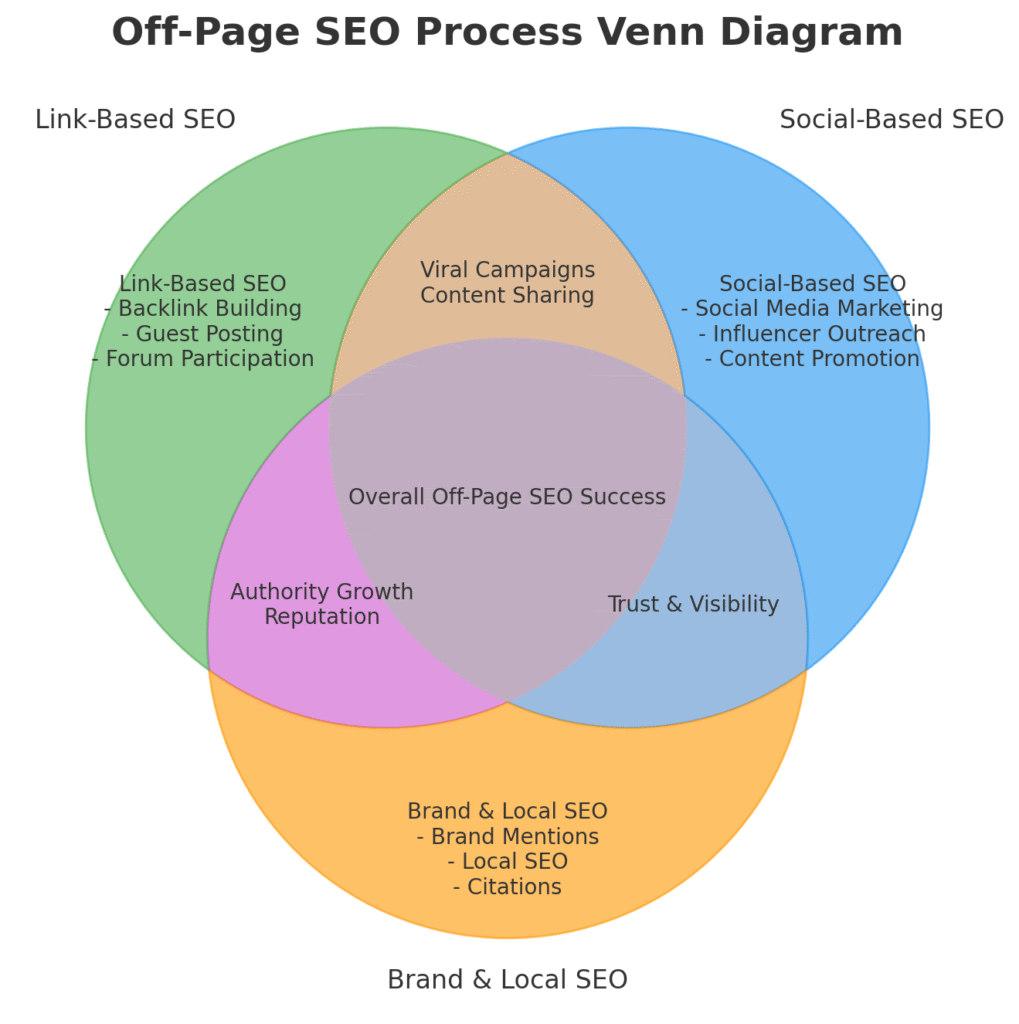
High-quality backlinks are important for SEO because they help improve visibility, authority, and rankings. Building backlinks through ethical strategies like guest posting, content creation, digital PR, and competitor analysis ensures long-term success. At the same time, monitoring your backlink profile with SEO tools and avoiding toxic backlinks protects your site from penalties.
In the evolving world of SEO, backlinks remain one of the most reliable ways to strengthen your site’s performance. By focusing on earning quality backlinks from high-authority and relevant sites, you can secure better rankings and drive sustainable growth in search engine results.
Frequently Asked Questions
What is a backlink in SEO?
A backlink is a hyperlink created when one website links to another. Backlinks are also called inbound links or incoming links, and they remain one of the most important ranking factors in SEO.
Why are backlinks important for SEO?
Backlinks are important because they act as votes of confidence. Search engines interpret backlinks as signals that the content being linked to is valuable and trustworthy. This improves rankings, visibility, and referral traffic.
What are quality backlinks?
Quality backlinks come from relevant, high-authority websites. They are placed naturally within the main content, use descriptive anchor text, and are earned through valuable content rather than manipulation.
What’s the difference between follow and nofollow backlinks?
Follow backlinks pass SEO value, also known as link equity, from one website to another. Nofollow backlinks use a special tag that tells search engines not to pass SEO value. While follow links are stronger for SEO, nofollow links are still useful for driving traffic and diversifying a backlink profile.
How can I get high-quality backlinks?
You can earn high-quality backlinks by creating valuable content, writing guest posts for reputable sites, engaging in digital PR, reclaiming broken backlinks, and analyzing competitors’ backlinks. Avoid spammy tactics or link schemes that may result in penalties.
Can too many backlinks hurt SEO?
Yes, if the backlinks come from irrelevant or spammy sites, they can harm your rankings. Such links are known as toxic backlinks. Monitoring your backlink profile and disavowing harmful links helps protect your site’s SEO.
Are backlinks still important in 2025?
Backlinks remain one of the most important ranking factors in 2025. While algorithms have evolved to reward quality content and user experience, backlinks continue to signal authority, relevance, and trust to search engines.